Bill
So, what happened when the Soviet Union decided to boycott the LA Olympics?
Request
Agnes
Well, the U.S. had boycotted the Moscow Games in 1980. So, we suspected, feared, and anticipated the Soviets would reciprocate in some way. The Games took place in August, and it wasn’t until May that the Soviets declared their intention to boycott. And this had an important implication. If the entire Soviet bloc of 14 countries, which produced superb athletes, refused to come, the whole event, the XXIII Olympiad, would be in jeopardy, since – per charter – a certain number of countries need to be in attendance. So, this boycott threat wasn’t just qualitatively, but also from a governance standpoint, a very important existential threat.
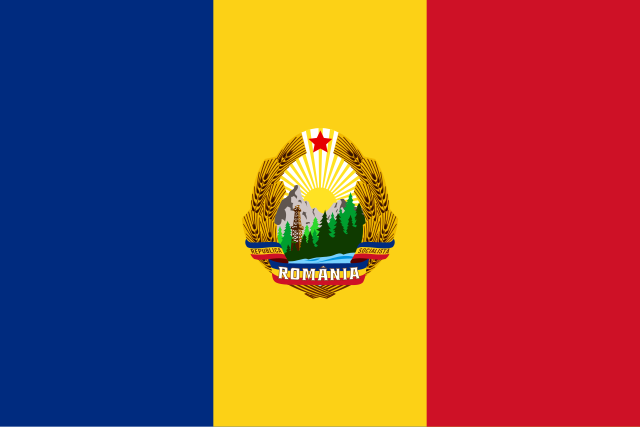
Clearly, Peter Ueberroth looked at ways to manage around this obstacle. So, our committee was housed in this huge LA helicopter hangar that we had transformed into cubicles and office space. Peter somehow found me. He came to my desk and sat on the edge, and literally said: “Hey, kid, you got a passport? Could you possibly fly to Romania and help us out here?” Romania was one of the countries that we suspected might be willing to break the boycott.
Peter also tried to convince Cuba and China to break away. We suspected that all three countries might be willing to and interested in breaking this boycott, because of the extraordinary athletes that these countries would have had an opportunity to feature.
That was step one. Peter asked me to help by going to Romania and leading a delegation to negotiate this possibility.
Bill
Was Peter involved in those negotiations at all?