And once I was outside the country, I had to consider my options based on whether there would be a country to take me in. That was the next challenge. Eventually, after finishing my undergraduate studies at Edinburgh University, I ended up in Germany. I had grown up speaking Romanian, Hungarian, and German, and had gone to the German school in Bucharest all the way to graduation. So, I had a broad foundation in German culture. I also spoke French and English, but that wasn’t relevant at the time. And so, the separation from Romania had been fraught.
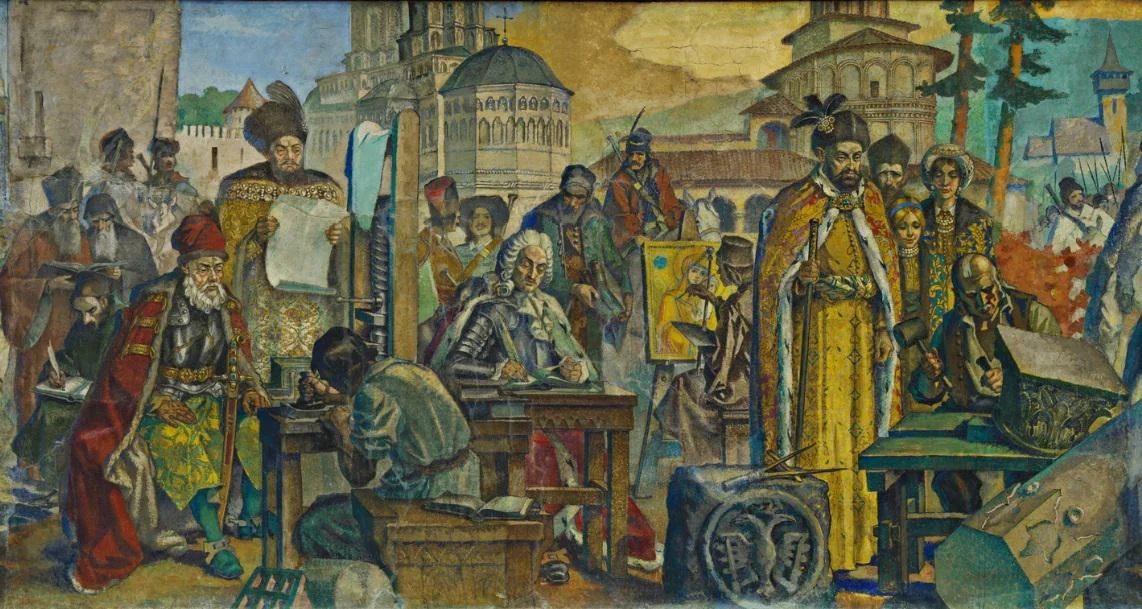 It wasn’t an easy relationship that I had with the country and with the regime. A lot of this is quite complex. And let me offer a little bit of history. This territory that we now call Romania had been overrun since its inception by the Romans, by the Goths, by the Ottomans, by the Habsburgs, and by the Slavs, to name a few.
Romania retains a very interesting multicultural and multi-ethnic foundation as a country. And my parents, who were born in Transylvania, woke up after the First World War, finding that they were now Romanians, because Transylvania became part of Romania when the Austrian Hungarian Empire fell. So, my identity and affiliations are not very clear or clean when we speak about belonging and about national allegiances and identities. I have never had a simple answer.
Bill
As you said, the invasions came from everywhere. It’s likely a part of Europe that was occupied and underwent multiple changes in identity under various threats, eventually becoming part of Romania.
 Agnes
Agnes
The whole of Romania, as we think of it today, was under Ottoman rule for years. There was also the Phanariot rule, which is a Greek mode of authority. After World War I, Romania managed its independence by forming an alliance with the Russians against the Turks. And then, at the end of the Second World War, when Romania was under a fascist regime, they again created an alliance with the Soviets to get rid of the Germans. These alliances are never clean. They always cost something. On the first occasion, it cost them a piece of the country. After their independence and after the Second World War, the Russians remained an occupying force that installed their own favorable regimes.