 Bill
Bill
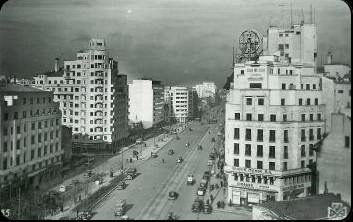
A colleague of mine talks about the social unconscious, which is the trauma that is being held by a country. In your case, you’re talking about four or five different kinds of social unconscious swirling around, each with its own trauma. And in the midst of this was the repressive Soviet regime.
Negotiations
Bill
Agnes, back to 1984. You’re now about to go to Romania on this mission. It is an important mission, not just for Romania, but, as you’ve said, for the actual operations, perhaps even the enactment, of the Olympics. This is not a trivial issue. You’re going on a mission that impacts many people.
 Agnes
Agnes
Let’s remember, I’m very young. And I’m not a U.S. citizen. I’ve just literally arrived in California a few months earlier. And I am feeling responsible for delivering success to my boss, Peter Ueberroth, and to all of us involved in the Olympics.
We are all committed to its success.
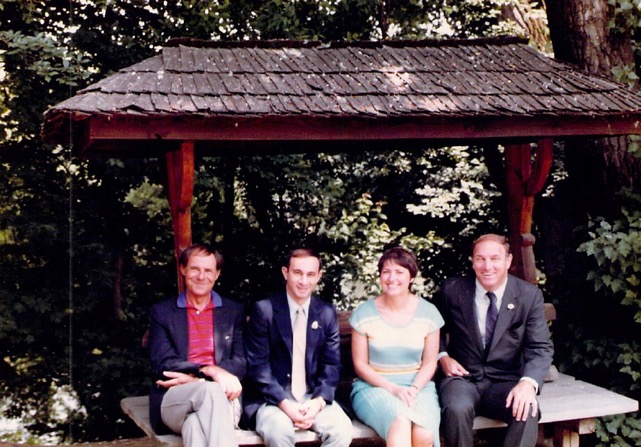
I’m feeling an obligation to deliver good news. I had three other colleagues accompanying me, and they were experts in different sports and Olympic governance matters. So, I was well supported and well briefed, and we were very aligned.
Bill
But you’re the only one who knew Romania and the Romanian language.